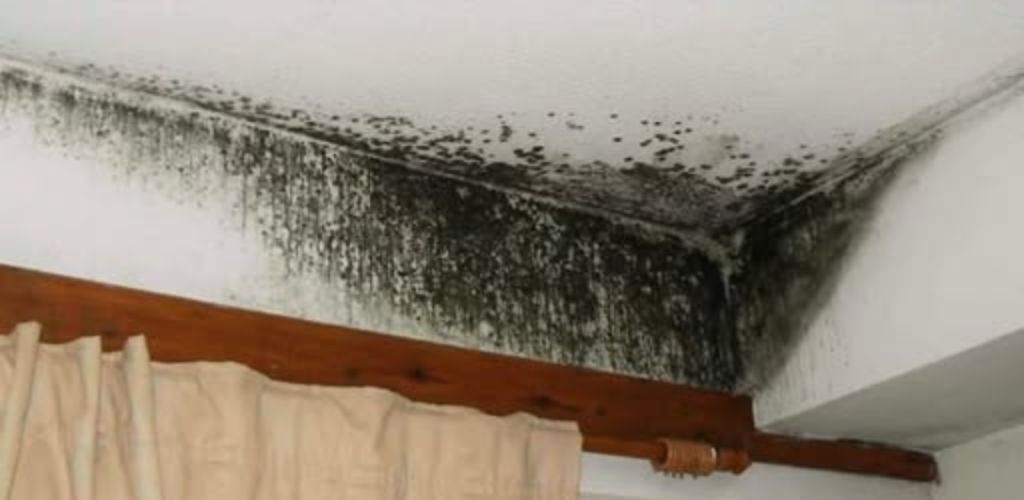
Mold, a fungus that reproduces through spores, can become dangerous when its spores spread through the air, causing allergies and respiratory problems. It is crucial to eliminate mold from the home, not only for aesthetic reasons.
Mold stains on walls appear when there is water infiltration, rising damp (especially on ground floors or basements), exposure to the elements, or excessive insulation in the home (which causes condensation). Stagnant water in potted plants and wet clothes hanging out to dry in the home can also cause dampness.
To prevent mold, it is advisable to use anti-mold paints, avoid drying clothes indoors, and limit the number of plants in indoor environments.
If the problem is already present, it can be solved with aggressive products such as bleach or ammonia, or with natural solutions that are not harmful and non-polluting.
What causes mold
Mold is primarily caused by moisture , which can come from a variety of sources. In basements and ground floor rooms, it is often caused by rising damp.
However, this is not the only cause.
Indoors, mold can form due to poor insulation or inadequate air exchange, which leads to condensation of moisture.
Additionally, damp or wet clothes left to dry indoors can contribute to the problem.
Outdoors, mold can be influenced by environmental and climatic factors, such as frequent rainfall or high humidity.
The use of poor-quality materials in building construction can also promote mold growth. Knowing these causes is important because it allows you to take effective preventive measures to combat the mold problem and maintain a healthy indoor environment.
Why Remove Mold Naturally
Removing mold naturally is preferable for several reasons. First of all, many chemicals used for mold removal can be harmful to human health and the environment. Using natural remedies reduces exposure to harmful chemicals.
Natural methods are still effective compared to chemical products. Common ingredients such as vinegar, baking soda, tea tree oil, and lemon juice have been shown to be effective in fighting mold. Using natural remedies is also more affordable and accessible. Many of these ingredients are already present in our homes and can be easily found at any grocery store or health food store.
Finally, using natural remedies for mold removal is more sustainable and environmentally friendly . It reduces the negative impact on nature and helps maintain a healthier and more eco-friendly home environment.
How to recognize mold
It is important to be able to recognize mold in order to intervene promptly and prevent damage to health and the structure of the building. Here are some signs that may indicate the presence of mold:
- Unpleasant odor : Mold often emits a distinctive musty or earthy odor. If you notice this odor in your home, it could indicate the presence of hidden mold.
- Dark or Green Stains : Dark or green stains that form on walls, especially in humid areas like bathrooms, kitchens, and basements, may be a sign of mold.
- Visible Growth : Mold can appear as small spots or films that are visible on surfaces. It can be a variety of colors, including black, green, gray, or white.
- Respiratory Problems : Mold can cause respiratory problems such as coughing, nasal congestion, throat irritation, and difficulty breathing. If you notice these symptoms and can’t pinpoint the source, it may be due to mold in the environment.
- Moisture : Areas affected by mold may feel damp to the touch and may sometimes be accompanied by condensation on surfaces.
It is important to regularly examine your home for signs of mold and take prompt action to remove it and prevent its recurrence.
Natural Remedies for Mold
The fight against mold on the walls of your home can be effectively addressed with natural and inexpensive remedies, such as soda solvay and hydrogen peroxide. These products offer a safe and effective solution to eliminate mold stains and preserve the integrity of the surfaces of your home.
Step by step instructions for removing mold
Soda Solvay:
Washing soda is a true ally in the battle against mold. Its cleaning action eliminates stubborn stains, while its non-corrosive nature protects the paint on your home’s walls. Preparing a solution of washing soda and water is simple: just dissolve the washing soda in water and pour the mixture into a spray bottle. Spray generously on the affected areas and leave for at least an hour. After the necessary time, remove the mold with a sponge or rag.
Hydrogen Peroxide:
Hydrogen peroxide is known for its disinfectant and bleaching properties, making it an excellent ally in the fight against mold. Combined with soda, its effectiveness increases significantly. Mix the two substances thoroughly and transfer them to a spray container for practical and long-lasting use. Remember to shake the container well before use and apply the solution only to the affected areas. Leave it to act for a few minutes, then scrub gently with a toothbrush to completely remove the mold.
With these simple natural remedies, you can say goodbye to mold on the walls of your home safely and effectively, maintaining a clean and healthy home environment for you and your family.
How to Prevent Mold from Growing in the Future
To prevent mold from forming in the future, it is essential to adopt some preventive practices that help keep the home environment dry and well ventilated. Here are some useful tips:
- Ventilate the rooms: Make sure to ventilate the rooms of your home regularly by opening windows and doors to promote air exchange. Ventilation reduces humidity and prevents condensation from forming on the walls.
- Use a natural degreaser: Make a solution of water and white vinegar or lemon juice and spray regularly on surfaces at risk of mold. These natural agents help keep surfaces clean and prevent mold from forming.
- Make sure there are no leaks: Check pipes, faucets and hoses regularly for water leaks and repair them promptly. Water leaks are a major cause of mold growth.
- Dry thoroughly: After using showers, bathtubs, or washing machines, dry surfaces thoroughly to prevent moisture from becoming trapped and encouraging mold growth.
- Limit houseplants: While houseplants can add a touch of green to your home, they can also increase humidity. Limit the number of houseplants you have and make sure you don’t leave standing water in saucers.
By following these simple tips, you can significantly reduce the risk of mold formation in your homes and maintain a healthy and comfortable indoor environment.
Share this article