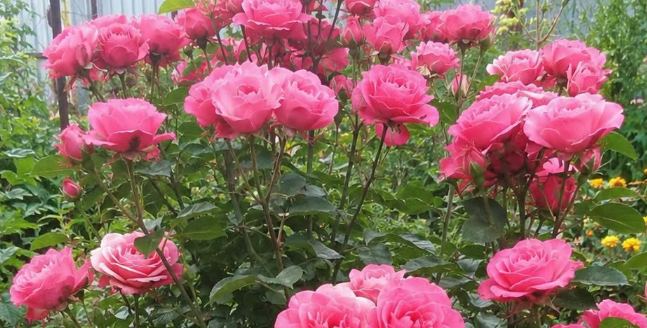
At the end of summer many people notice that roses start forming fewer buds, and the flowers become smaller. This does not mean that the season is over. If you support the plants in time with the right fertilizer, they will continue to delight with luxurious flowering almost until the first cold days.
Which fertilizer is best suited?
During this period roses need primarily potassium and phosphorus. Exactly these help form new buds, strengthen the shoots and prepare the plant for autumn temperature changes.
An excellent option will be monopotassium phosphate.
How to prepare the solution
To 10 liters of water add 10–15 grams of monopotassium phosphate and mix well until completely dissolved.
How to apply correctly?
- Water only on moist soil. If the ground is dry, first moisten it with ordinary water.
- Under each adult bush 2–3 liters of ready solution is enough.
- The best time for feeding is morning or evening, when there is no scorching sun.
- Repeat the procedure once every 2–3 weeks, but no later than a month before stable frosts.
What is better to avoid?
In the second half of summer it is not worth getting carried away with nitrogen fertilizers. They stimulate the growth of young shoots that may not manage to mature before the cold and will easily be damaged by frost.
Instead, potassium-phosphorus feeding will help the roses bloom longer, make the buds brighter, and the bushes themselves stronger and healthier.
If you give the roses exactly what they need at this time, they will more than once delight with lush flowers when most other plants are already finishing the season.
And what do you feed your roses with at the end of summer?