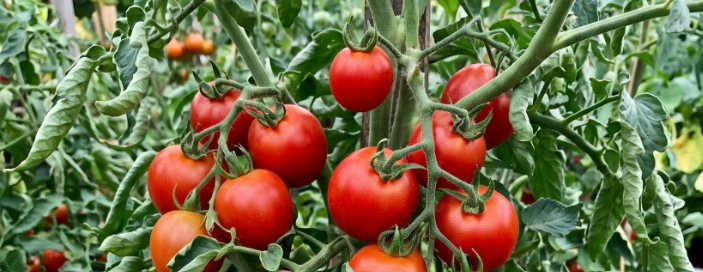
Do Not Hurry to Panic. This Does Not Always Mean Disease. Often the Plant Itself Gives a Signal That It Lacks Proper Care. If You Understand the Cause in Time, the Tomatoes Will Quickly Recover and Continue to Delight with the Harvest.
Heat and lack of moisture
In strong heat the leaves often curl upward to reduce moisture evaporation. This is a natural protective reaction.
What to do:
- water less often, but abundantly;
- moisten the soil early in the morning or in the evening;
- mulch the bed with mown grass or straw so that the ground remains moist longer.
Excess water
If the soil is constantly wet, the roots lack air. Because of this the leaves also start to deform.
What to do:
- let the soil dry a little;
- do not water “according to the schedule”, but orient yourself by the state of the ground;
- ensure good drainage.
Mistakes with feeding
Excess nitrogen makes the bush very lush, but the leaves start to curl, and there are fewer fruits. Also the problem can be caused by a lack of potassium or calcium.
What to do:
- temporarily stop nitrogen fertilizers;
- use complex feedings with potassium and microelements;
- follow the recommended doses.
Too active pinching (removing suckers)
If you remove many leaves and suckers at once, the plant experiences strong stress.
What to do:
- form the bush gradually;
- do not remove more than 2–3 large leaves at one time.
Pests
Aphids, whitefly or spider mite suck juices from young leaves, because of which they curl and weaken.
What to do:
- regularly examine the underside of the leaves;
- wash off the pests with water or use safe biological means;
- timely remove strongly damaged parts of the plant.
When there is no need to worry
If only a few lower leaves have curled after the heat, and the top is green, the flowers are not falling off and the fruits are growing — most likely this is a temporary reaction. After normalizing watering and the weather the bush will quickly recover.
The main rule is not to treat at random. First find the cause, and only then change the care. In most cases exactly proper watering, moderate feeding and attentive inspection of the plants help save the tomatoes without unnecessary “chemistry” and not lose the future harvest.